
Structured training for lasting results
A good programme gives you direction, discipline, and the consistency to actually grow stronger


Training without a plan is like driving without a map — you might move, but you won’t get far. A structured programme gives your workouts purpose, balance, and progression, making sure every rep counts. Whether you’re a beginner learning the basics or an intermediate lifter chasing new gains, following a proven split builds strength, muscle, and discipline far faster than random training ever could.
Popular training splits
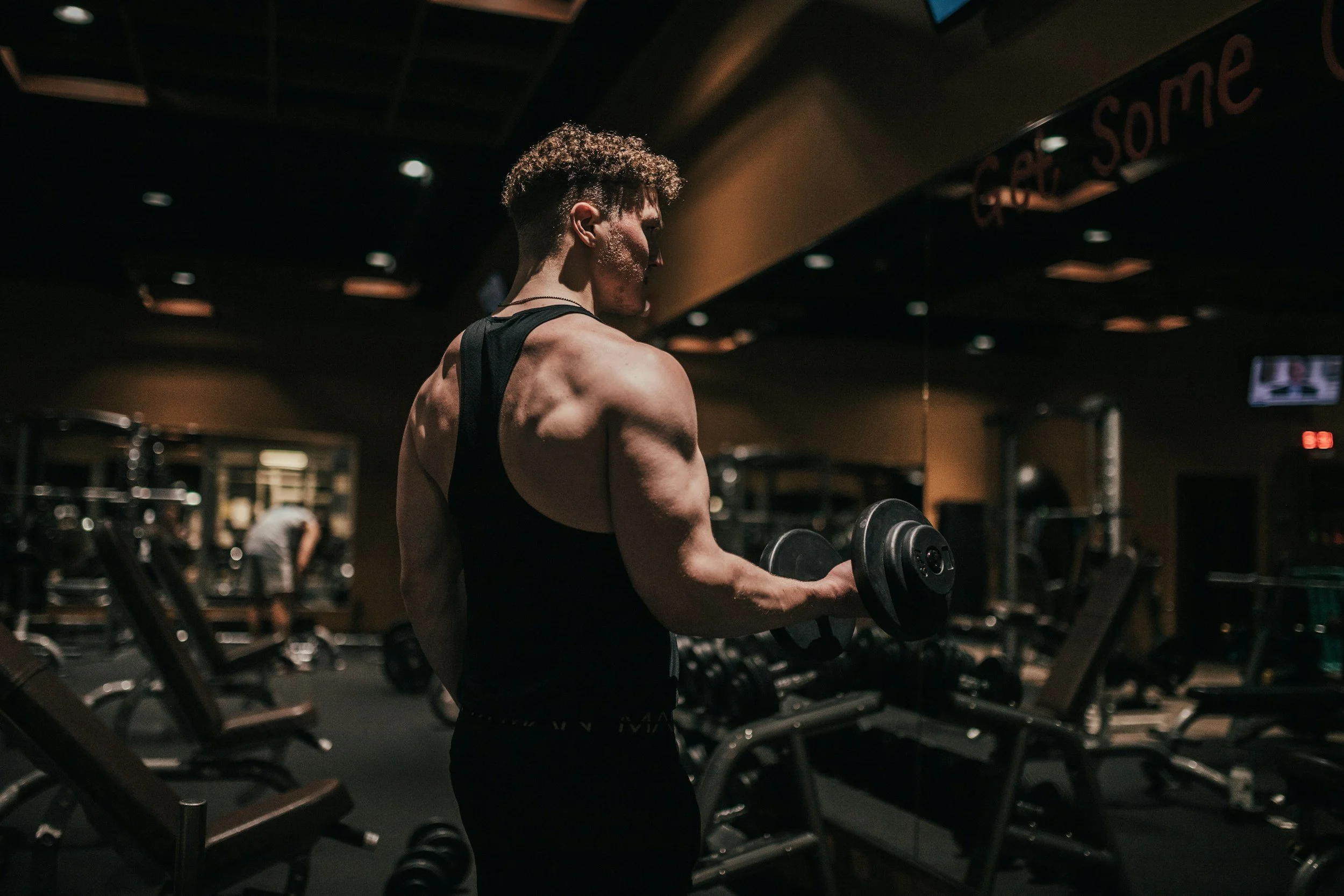

A training split is how you organize your workouts across the week. Instead of hitting the same muscles every day, splits let you balance volume, recovery, and progression. The right split keeps your training structured and ensures every muscle group gets worked consistently.
Full body (3 days/week)
Each session trains the whole body
Great for beginners - simple, efificient, and builds a strong foundation
Upper/lower (3 days/week)
Alternares between upper body (chest, back, arms, shoulders) and lower body (legs, core)
Balanced for strength and recovery - ideal for intermediate
Arnold split (chest/back, shoulders/arns, legs)
Push/Pull/Legs (6 days/week)
Push = push movements that train your chest, shoulders and triceps (bench press, overhead press, dips)
Pull = pulling movements that train your back, biceps and rear delts (pull-ups, rows, curls)
Legs = quads, hamstrings, calves, glutes (squats, lunges, deadlifts)
A classic split for muscle growth with high training frequency
High-volume programme popularized by Arnold Schwarzennegar
Pairs opposing muscles for a pump and maximum workload. Best for advanced lifters.
Bro split (1 muscle group/day)
Example: monday chest, tuesdy back, wednesday shoulders, thursday arms, friday legs.
Fun and popular, but less efficient for beginners since each muscle is only trained onec a week.
For beginner lifters I recommend starting with either a full body split or an upper/lower split (depending on what fits our schedule more). Once you feel comfortable with lifting and are more in a routine of things, I would then experiment with what split suits you and your schedule best. Try out different things, its all up to you!

Chest → Bench press, incline press, dips, cable fly.
Back → Barbell rows, machine rows, pull-ups, lat pulldown.
Legs → Squats, lunges, leg press, Romanian deadlifts, calf raises.
Shoulders → Overhead press, lateral raises, face pulls.
Biceps → Barbell curls, hammer curls, cable curls.
Triceps → Skull crushers, tricep pushdowns, close-grip bench.
Core → Planks, hanging leg raises, ab rollouts.
Muscle Group Exercise Library

Jeff Nippard – science-based, clear breakdowns of form.
Jeremy Ethier – beginner-friendly, evidence-backed tips.
Athlean-X – form-focused, injury prevention (though some advanced).
Squat University – mobility + squat/deadlift technique.
Alan Thrall – powerlifting basics, gym confidence.
Youtubers & Resources for technique
Progression & Tracking

The key to building strength and muscle is progression — doing a little more over time. Without tracking your workouts, it’s easy to forget what weight you lifted last week or how many reps you managed. Progress stalls when you train blindly. Tracking keeps you accountable, shows your improvements, and helps you spot when it’s time to push harder or adjust your routine.
Tracking basics:
Record your exercises, sets, reps, and weights each session.
Note how you felt (energy, form, difficulty).
Aim for progressive overload — add weight, reps, or improve form over weeks.
Keep it simple: a notebook, spreadsheet, or app.
Recommended apps:
Strong – super easy workout logging, clean interface.
FitNotes – simple, lightweight, great for Android.
Jefit – includes exercise database, plans, and tracking.
HeavySet (iOS) – smooth design, good for serious lifters.
Old school? A notebook and pen still work perfectly. The tool matters less than the discipline to use it consistently.